
I watched a creator introduce themselves the other day. Rattled off a list of conditions like a personality reveal. OCD. Autism. Neurodivergent. Said casually. Confidently. Like collecting labels was the same as understanding them.
And I’m done with it.
To be clear — there are creators who talk about this honestly, trying to explain their experiences or help other people feel less alone. That matters. But most of what I’m seeing isn’t that. Most of it is labels turned into merch. Content. A hook.
Tell me you don’t have any ideas for content without telling me you don’t have any ideas for content.
Because I know people actually living with OCD and Autism Spectrum Disorder. And it’s not what the trend says it is this week. It’s not quirky. It’s not aesthetic. It’s not a personality upgrade.
Social media has this way of taking real human suffering and sanding it down until it becomes marketable. Now disorders get introduced like quirky personality traits:
“I’m so OCD because I like symmetry.” “I think I’m autistic because I hate small talk.” “My ADHD makes me buy iced coffee.”
Yes, I have heard creators say those things.
Or worse, influencers start packaging the “quirky” parts like superpowers—claiming they’re more creative because of their ADHD or using their “neurospicy” traits as a brand. But that’s a dangerous half-truth. While people find ways to thrive, these labels describe fundamentally different ways of processing the world that come with real friction, real cost, and real exhaustion.
That is not how any of this works.
Because wanting your kitchen organized is not OCD.

Real OCD can be terrifying. Intrusive thoughts that don’t feel quirky or funny or relatable. Thoughts that stick to your brain like barbed wire. Rituals and compulsions you hate but still obey because your mind convinces you something awful will happen if you don’t. Washing your hands until they crack and bleed because they never feel clean enough. Repeating the same action over and over until it feels “right,” even when you know it doesn’t make sense. Losing hours of your life to mental loops you would give anything to escape.
That is not the same thing as color-coding a planner.
Similarly, autism is not just being socially awkward online or having niche interests. For many people, it’s isolation. Sensory overload. Masking so hard for so long that you forget what your natural self even feels like. It’s burnout. Misunderstanding. Feeling alien in rooms full of people you love.
And it’s not a scale.
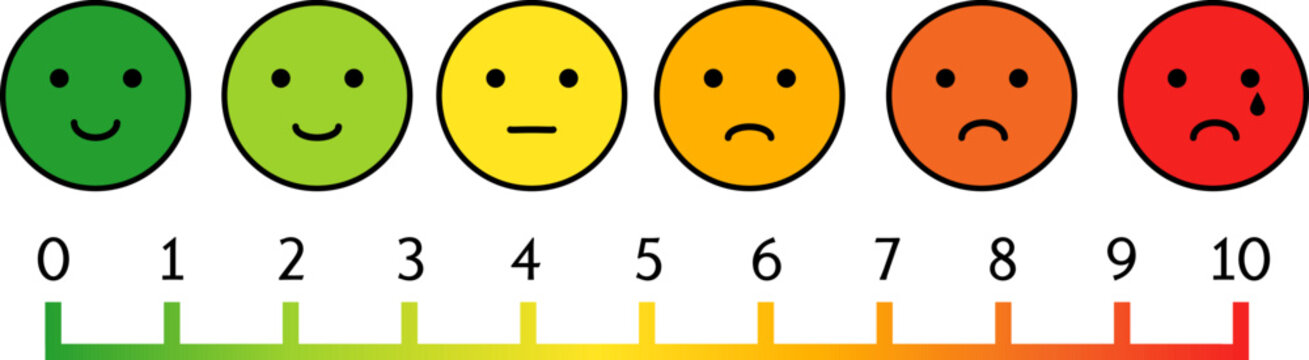
The autism spectrum isn’t a 1 to 10 slider where someone is “a little autistic” and someone else is “very autistic.” It’s not a pain chart. It’s not a personality dial. It’s a range of different traits showing up in different ways across different people. Someone might struggle intensely with sensory overload but communicate well. Someone else might have minimal sensory issues but find social interaction deeply confusing. There’s no clean way to rank that.
Even clinical levels aren’t measuring how autistic someone is; they’re describing how much support a person might need at a given time.
But the internet flattened that too. Now people talk about being “a 2 on the spectrum” like they’re rating spice tolerance -casually walking you through it between steps of their morning skincare routine.
Algorithms don’t reward nuance. They reward certainty. Identity. Simplicity.
So now every uncomfortable feeling becomes a diagnosis. Every personality trait becomes a symptom. Every quirk becomes content. And the weird irony is that the more casually the language of suffering gets thrown around, the harder it becomes to see the people actually drowning in it.

When every habit is called OCD, real OCD disappears.
When every awkward person claims autism after a TikTok carousel and a Facebook quiz, people living with the actual weight of being on the spectrum become background noise.
Awareness is good. Recognition is good. People exploring themselves honestly is good.
But disorders are not zodiac signs. They are not branding. They are not character customization options for a social media identity.
And somewhere in all this performance, we forgot these labels were meant to describe disability and struggle—not content.

Member discussion: