

A lot of people roll their eyes at phrases like “everything happens for a reason,” but I’ve started to think those phrases survive because human beings need them to. Not necessarily because they are always true, and not necessarily because people are trying to minimize someone else’s pain. I think people say them because suffering makes us feel helpless, and helplessness is hard to sit with for very long. So we reach for language that gives pain some kind of shape, direction, or framework. “You got dealt a bad hand.” “When life gives you lemons, make lemonade.” “Everything happens for a reason.” “Life’s not fair.” These phrases are less about solving suffering and more about making it feel temporarily survivable for both people in the conversation.
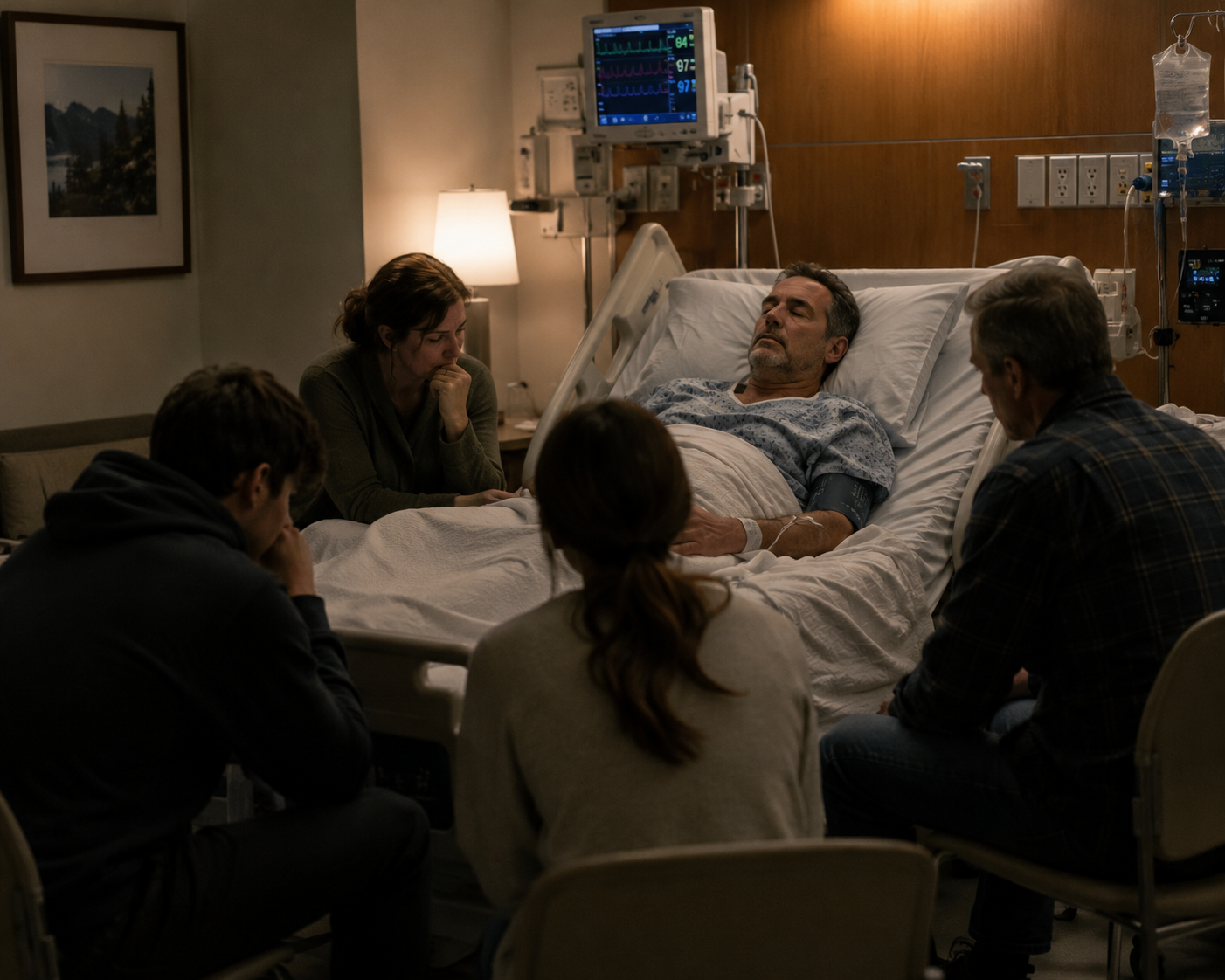
Why do we even need language like that? Because suffering has an existential flavor to it that can overload the brain if you sit in it too long. Questions about fairness, randomness, purpose, and control do not have easy answers, so people reach for smaller, simpler ones instead. Underneath a lot of human life sits a quiet loneliness, and suffering only intensifies it. When people use these platitudes, they are not trying to solve suffering completely. They are offering emotional lifesavers—not cures, but small attempts to keep another person, and sometimes themselves, from disappearing into the isolation of unanswered pain. The words may not fix anything, but they can make two people feel a little less alone inside something neither of them fully understands.
“Everything happens for a reason” tries to soften suffering with meaning. “Life’s not fair” strips suffering down to reality. But both phrases are attempts to help human beings emotionally survive things that otherwise feel too large and chaotic to hold.
Perhaps we judge these phrases too literally. Their real purpose is not philosophical accuracy but emotional accompaniment. Humans are awkward around pain; it is like walking carefully around a mystery too large for language. People reach for these words because they want to offer something. A railing. A rope. A small emotional structure strong enough to keep the conversation from collapsing under the weight of unanswered suffering.

And the unanswered questions remain, no matter what we say. Why do people suffer? Why is there childhood cancer? Why is there starvation in impoverished communities? Why do some people spend their entire lives carrying losses they never asked for? Human beings have been trying to answer those questions for centuries through religion, philosophy, psychology, science, and storytelling, and still no single explanation fully satisfies the enormity of suffering itself.
That is precisely why these phrases endure. Not because they erase the mysteries, but because they give people something emotionally manageable to hold while standing beside questions that may never be fully answered.

Member discussion: