

I sat down intending to write a blog post about burnout. Or depression. Or chronic pain. Or my mom being in the hospital. Or finances.

Honestly, I wasn’t even sure anymore. Everything in my head had collapsed into one tangled ball of exhaustion.
Then I had a weird idea. What if I asked ChatGPT to act like my therapist?
Not because I think AI replaces therapy, or because I was looking for profound mental health advice from a computer. Mostly, I was just trying to find a backdoor into the writing.
I told it to interview me. It started simply enough.
ChatGPT: “How have you been lately?”
Me: “I haven’t been the greatest.”
ChatGPT: “What does ‘not the greatest’ look like for you these days?”
Me: “Well, it looks like a lot of pain and uncomfortability.”
ChatGPT: “Mostly physical pain, or does everything kind of blur together after a while?”
Me: “Well, mostly physical but there’s a lot going on in my mind as well.”
Then it asked what had been taking up the most space in my mind lately.
Me: “My finances are not the greatest. I feel kind of burned out with certain things. My mom has been in the hospital. I want to be there for her.”
And that’s when the conversation quietly shifted in a direction I wasn’t expecting.
ChatGPT: “You mentioned your mom almost immediately. When people ask how you’re doing, do you usually end up talking about everyone else first?”
Pause.
That hit me harder than I expected. Because the truth is, I do that constantly.
I can explain everyone else’s struggles. Everyone else’s pain. Everyone else’s needs. But when the focus turns toward me, my answers suddenly get vague.
At one point it asked me what people misunderstand about my burnout.
ChatGPT: “What do you think people misunderstand about your burnout?”
Me: “That it’s real. I feel like I have to be dying and in the hospital for anyone to notice.”
Which is probably one of the more honest things I’ve admitted in a while. Especially when you live with chronic pain and depression long enough that exhaustion just becomes your personality to other people.
Lazy. Unmotivated. Complaining. Negative.
Not overwhelmed. Not struggling. Not burned out.
Just difficult.
ChatGPT: “And what happens to you emotionally when your pain stays mostly invisible?”
Me: “It gets worse. Bad things happen. Routines suffer.”
ChatGPT: “What kinds of routines start falling apart first?”
Me: “Just waking up and trying to do something for the day.”
That one felt embarrassingly true. Because depression doesn’t always look dramatic. Sometimes it looks like staring at the day like it weighs 900 pounds before it’s even started.
Then came the part that changed the entire direction of this post.
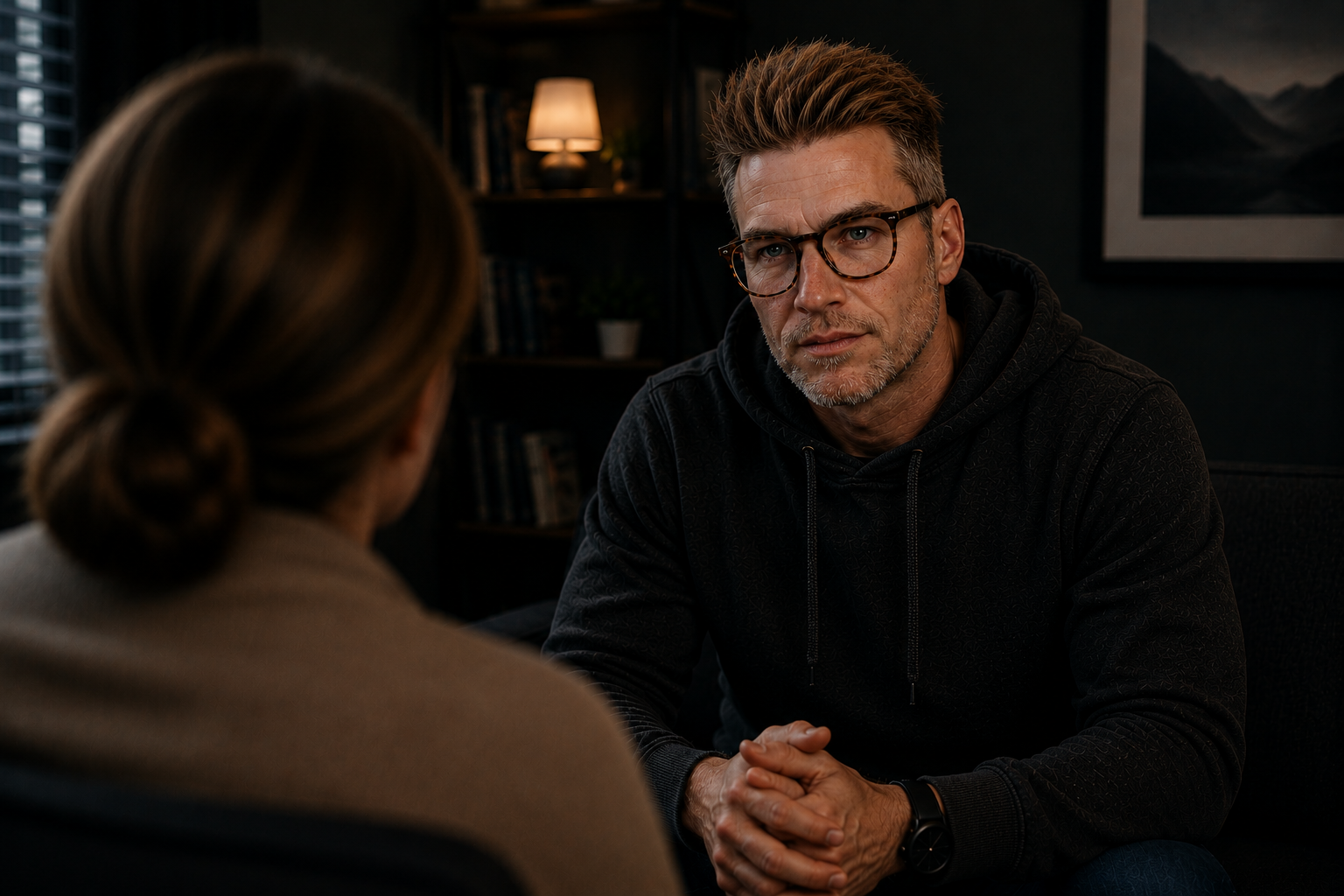
ChatGPT: “You describe everyone else’s needs very clearly. Your mom needs help. People don’t understand your burnout. Things are falling apart. You can see all of that immediately. But when the conversation turns to what you need, the answers get quieter. What do you need?”
I froze.
Not poetically. Not symbolically. Literally.
I didn’t know.
Me: “I can’t expect people to know my needs but I don’t even know what they are.”
Somehow that felt bigger than everything else we had talked about. Bigger than finances. Bigger than burnout. Maybe even bigger than depression itself.
Because I think somewhere along the line, I got so used to surviving, managing pain, taking care of responsibilities, and trying not to burden anyone that I stopped asking myself what I actually needed from other people. Or if I was even allowed to need anything at all.
Toward the end, it asked me what I was most afraid would happen if I stopped pretending I was managing better than I really was.
ChatGPT: “What do you think would happen if you stopped pretending you’re managing better than you really are?”
Me: “People would leave me.”
That answer came out fast. Too fast.
ChatGPT: “And how does that feel emotionally?”
Long pause.
Me: “Alone.”
Then a line of code from a server thousands of miles away delivered something that has been sitting in my head ever since:
ChatGPT: “I think sometimes people stop asking for help not because they don’t need it… but because they stop believing anyone will stay long enough to understand it.”
And honestly? That’s when I realized this wasn’t actually a post about ChatGPT pretending to be my therapist.
It was a post about what happens when someone spends so long focusing on everyone else’s needs that they lose touch with their own.
And maybe that’s part of depression too. Not just sadness. Not just exhaustion. But becoming so disconnected from your own needs that even being asked about them feels uncomfortable, selfish, or impossible to answer.
I started this trying to write about burnout. Instead, I accidentally uncovered something much more unsettling:
I genuinely don’t know what support would even look like for me anymore.
And maybe figuring that out is where I need to start.

Member discussion: