

People say “fake it till you make it” like functioning is proof of health.
Sometimes functioning is just what happens when collapse has been postponed.
When I was working, I was what people call high-functioning depressed. I made it through my first year at a new job without fail. From the outside, it probably looked like proof that I was okay.
It wasn’t.

I was functioning on borrowed support. Hope. Medication. Adrenaline. I was already good at hiding things—I’d hidden my sexuality for long enough, and I’d made it through college with honors. I knew how to perform stability. Perhaps it was the newness that also helped me stay afloat: new city, new job, new people, new friends.
But after my first year, my foundation began to crumble.
Doctors were trying everything. Incidentally, that was when I was involved in the Phase III FDA clinical trial for a depression implant—the VNS (vagus nerve stimulator). It involved surgery and frequent visits to lab technicians adjusting settings, trying to find the right dose of stimulation. Imagine trying to hold down a full-time 9-to-5 with an implant in you hooked to your brain while dealing with medication tweaking, constant doctor visits, and the exhausting performance of pretending everything was fine.
I continued to fake it, but the mask was slipping.
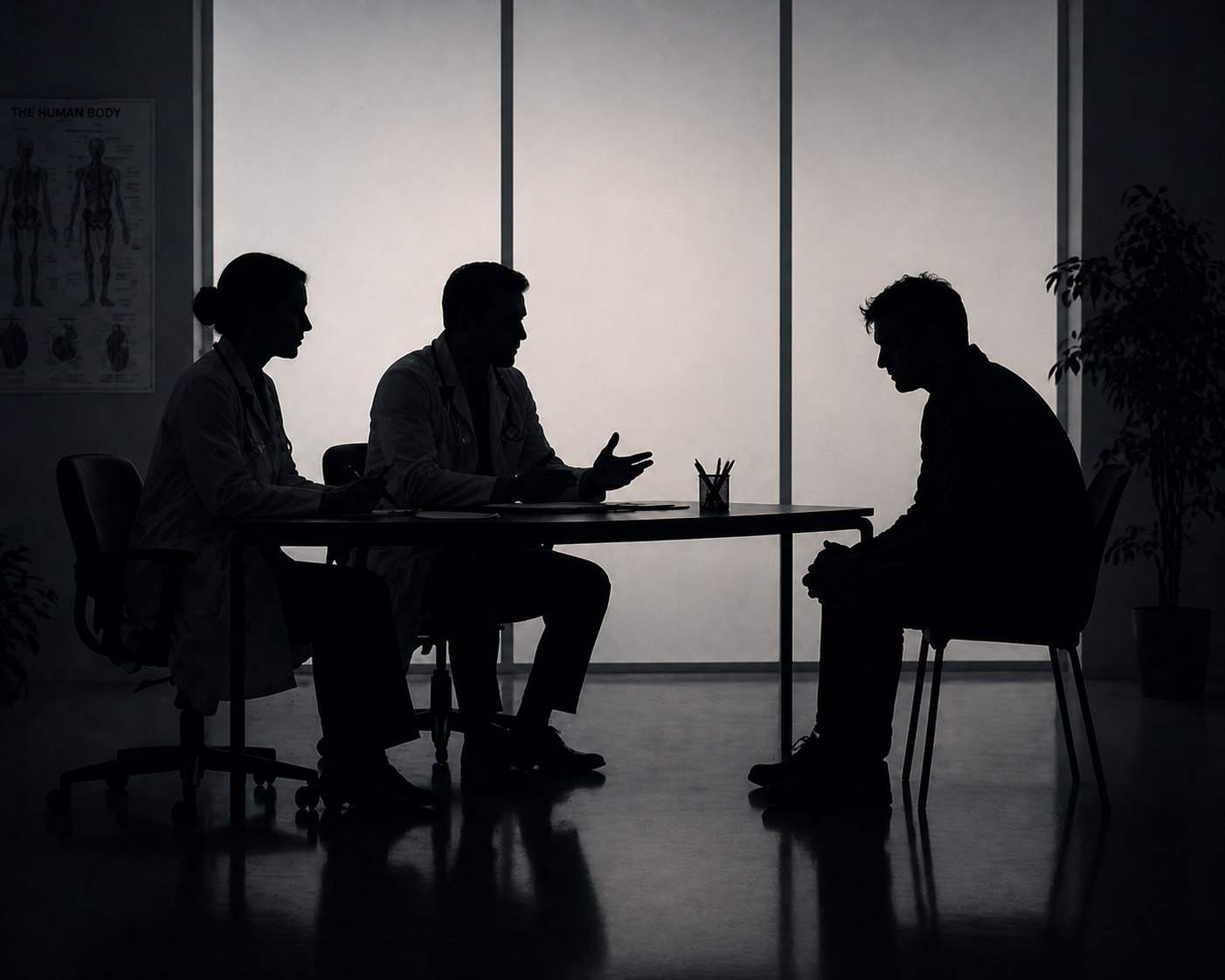
Mental illness is often treated like something that should happen quietly. It shouldn’t. It’s just as loud as any other illness—just as draining, just as disruptive, and just as real.
I started calling into work more frequently. I was not only depressed but also an insomniac, riddled with anxiety. I couldn’t sleep because I dreaded the alarm in the morning; I was too weak to put on the work mask again.
Then I would oversleep. I’d be late. I’d miss important deadlines. Now I wasn’t only carrying the pressure to pretend—I was trying to catch up, stay employed, and not drown in plain sight. I was skating on thin ice, and the possibility of being fired terrified me.
By the time my friend and supervisor realized what was going on, things had already begun to unravel. Fortunately, he was someone safe to open up to. But even with his support, I still had to perform. My performance reviews started to go downhill, and my position kept changing. Eventually, I was forced to take a three-month medical leave, using all of my PTO and even borrowing donated time from coworkers.
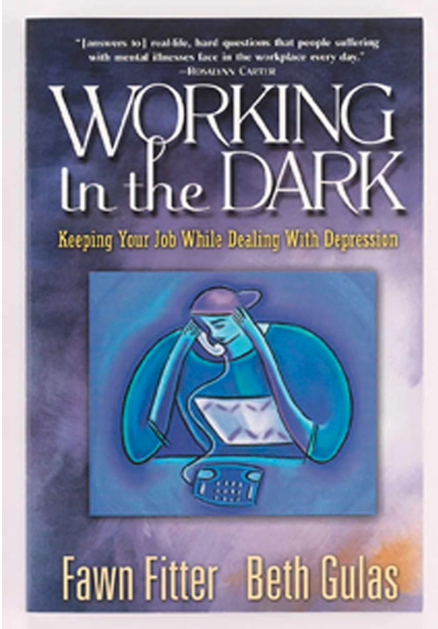
During that period of deep uncertainty, I found the book Working in the Dark: Keeping Your Job While Dealing with Depression by Fawn Ritter and Beth Gulas.
It became my handbook for navigating work while protecting myself. That book was my bible; it taught me that while I had disclosed my situation to my supervisor, I didn’t actually have to share every detail to be protected. Armed with that knowledge, I disclosed my health situation to our chief of staff—another safe person—and we agreed I should formally file with the employee disability department on campus.
That change saved me. I was allowed to work from home from time to time, and I gained legal protection from being fired because of my mental health. Don’t get me wrong—that didn’t give me the right to be bad at my job, and I was still good at it. But the protection allowed me the room to breathe.
Shoutout to the coworkers who kept cheering me on. Some knew what was going on—office gossip being what it is—but many of those same people are still in my life today. They are still my cheerleaders.
After a couple of years, the VNS implant was deemed unhelpful and was surgically removed. My doctors shifted focus to newer medication therapies while I continued weekly therapy. Looking back, I know I was lucky to have a supervisor and a boss who were safe.
Many people don’t.
Many still lose their jobs even under the protections of the Americans with Disabilities Act (ADA). Many believe they have to disclose their illness in harrowing detail just to stay employed. For those people, there is no choice but to keep faking it—doing whatever it takes not to lose their livelihood. They are working through the fog of side effects, working after nights with no sleep, and working while terrified that one more bad week could leave them with nothing.
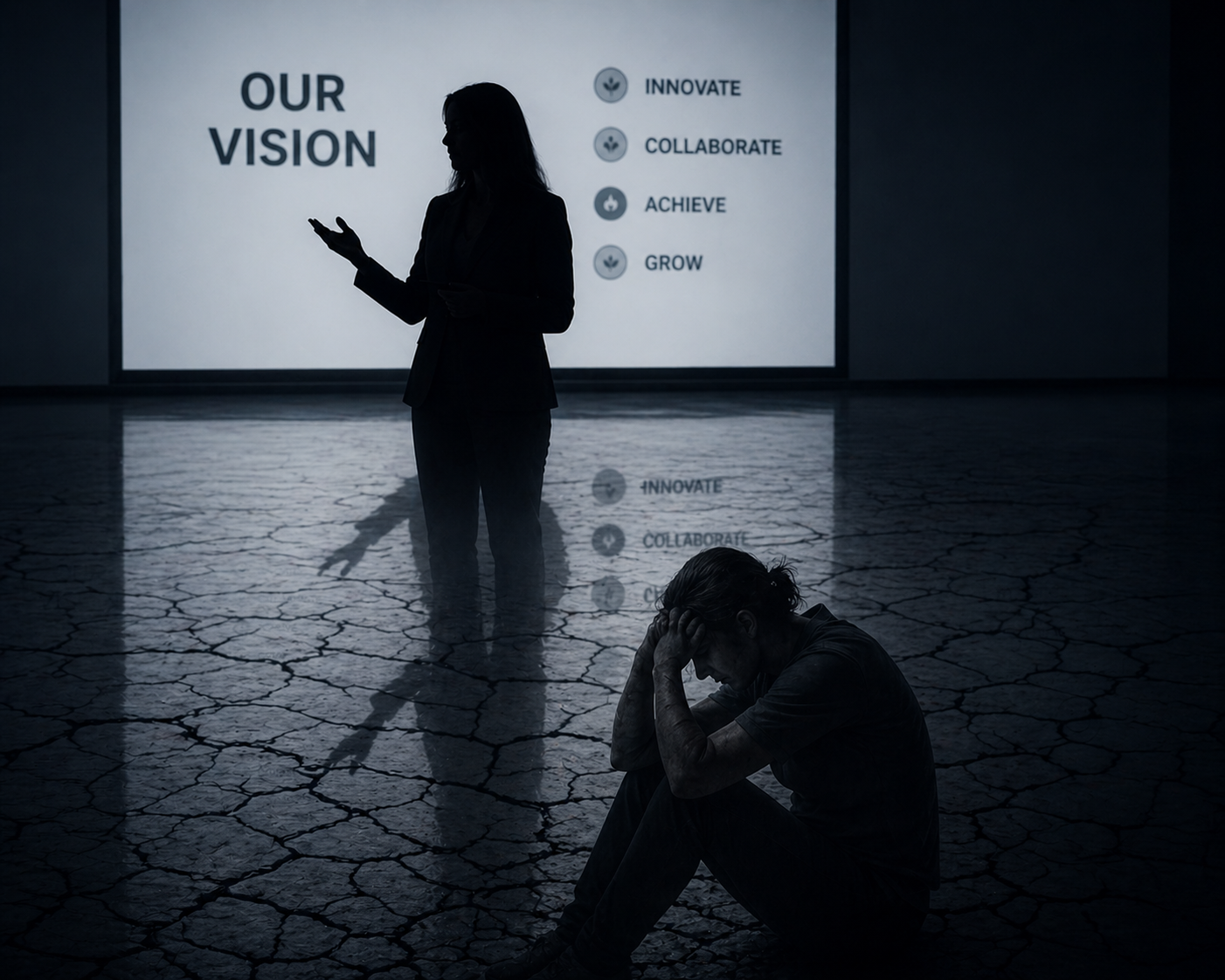
It is easy for me to sit here, as someone who had no children depending on my paycheck, and declare that “fake it till you make it” is a bullshit ideology. But we all juggle something, and struggle is relative. Different weights. Different stakes.
For many, faking it is not ambition. It’s survival.
The “good” of faking it looks like a paycheck, food on the table, and a family raised. The “bad” is the normalization of burnout, the isolation of hidden illness, and the eventual collapse that so often comes later. It is a lifeline that doubles as a trap; it gets you through the week while keeping you sick longer.
What’s the alternative?
Often, there isn’t one.
There is rent, insurance, and mouths to feed. So while we keep pushing for something better, many people still have to survive inside what exists now. We can keep fighting for workplace protections. We can speak out loud for invisible illnesses. We can learn our rights and find books like Working in the Dark to help navigate the maze.
Even as I write that I hate the concept of “faking it,” I have immense admiration for the workers just trying to survive another hour—the people building presentations on company growth while hiding their own decline.
Maybe it’s not about faking it till we make it.
Maybe it’s just surviving it until we can change it, hoping the world will one day make room for the truth.

Member discussion: